
Casey Watson is the Marketing Communication Specialist for SuiteDynamics. She has a degree in journalism from Murray State University and over 10 years of experience researching and writing about various subjects, including insurance, nonprofit work, and healthcare. She has been covering NetSuite ERP systems for more than two years.
How to Perfect In-Person Shopping with NetSuite SuiteCommerce InStore
A brick-and-mortar store can still thrive in today's retail economy. It just needs the right mix of digital and physical shopping experiences.
It’s easy to dub the brick-and-mortar store a dying breed when news outlets seem to run stories every week about retail giants closing locations. More than 2,000 U.S. stores are expected to close in 2024, according to Yahoo News, and malls stand empty across the country.
Yet customers aren’t completely abandoning physical locations; they just want the best of physical and digital shopping. They want to trade brick-and-mortar for click-and-mortar, which a company can accomplish with advanced software tools like NetSuite’s SuiteCommerce InStore.
A study from Oracle NetSuite reports that 97% of surveyed consumers believed physical stores are still necessary, and 70% said the most attractive ones offer features that streamline the shopping experience. SuiteCommerce InStore helps satisfy those demands by integrating web-based point-of-sale software with NetSuite’s Enterprise Resource Planning (ERP) system, providing a wide range of tools to optimize in-store shopping.
SuiteDynamics works with NetSuite to customize and implement ERP systems. Our experts can answer your questions about InStore and help install the software if needed.
Read more about the rising click-and-mortar trend in our guide below and discover how InStore meets consumers' need for a digital experience in the physical world. Then, schedule a free consultation with our team to elevate your retail offerings and boost customer satisfaction.
Key Takeaways
- Physical Stores Are Still Relevant: Despite widespread store closures, 97% of consumers still believe physical stores are necessary, but they expect a seamless integration of digital and physical shopping experiences, or "click-and-mortar."
- Rising Click-and-Mortar Trend: Businesses that combine online and in-person shopping, like Best Buy and Walmart, see increased customer satisfaction. Many online-only retailers are also opening physical locations to enhance the customer experience.
- SuiteCommerce InStore Enhances Retail Operations: This tool integrates point-of-sale software with NetSuite's ERP, allowing retailers to streamline in-store and online transactions, manage inventory, and create personalized customer experiences.
- Increased Customer Satisfaction: Tools like SuiteCommerce InStore help sales staff assist customers with online wish lists, returns, and personalized shopping experiences, improving customer satisfaction and building stronger relationships.
- Operational Benefits for Businesses: Besides enhancing customer service, SuiteCommerce InStore offers inventory management, real-time analytics, and customer data integration, improving business efficiency and enabling data-driven decisions.

What Is Click and Mortar?
"Click and mortar" businesses combine the convenience of shopping online (the "click" part) with the hands-on quality found in brick-and-mortar stores (the "mortar" part).
According to the Corporate Finance Institute (CFI), this retail approach offers consumers more options and, therefore, creates more opportunities to make a sale.
“Customers gain the advantage of choosing whether to buy the products in person or enjoy the seamless online shopping experience,” CFI writes. “Either way, customers enjoy great flexibility, convenience, and more choices. The company also benefits from increased revenues since it can target online buyers using search engine ads and other marketing efforts.”
Companies like Best Buy or Walmart take this approach, allowing customers to order online and have their purchases shipped or picked up at the store. Shoppers seem to appreciate the options. A 2024 PYMNTS study reports that 65% of surveyed click-and-mortar customers in the U.S. experience increased satisfaction compared to those purchasing without digital assistance.
Another PYMNTS report says 39% of surveyed shoppers in seven countries identify as click-and-mortar shoppers. In fact, the click-and-mortar method is becoming so popular that online-only retailers want in on the action.
“While traditional businesses are integrating online stores into their model, some online-only retailers are setting up physical stores to enhance their customer experience,” CFI writes. “The main reason for integrating offline operations into their model is to provide the customers with an opportunity to see, touch, and test the products before buying.”
The EY Future Consumer Index reports that 57% of shoppers still want to touch and feel items before purchasing. In these cases, physical stores become showrooms where shoppers can explore the products they’ve found online.
What Is SuiteCommerce InStore?
SuiteCommerce InStore is a SuiteApp that helps companies meet the needs of customers who want the full click-and-mortar experience. This NetSuite tool helps retail stores provide store employees with access to the same information customers see online—but in a cloud-based, easy-to-use app.
Sales staff can use it to:
- Add items from customers’ carts or wish lists to their in-person transactions at the point of sale.
- Help customers add items they see in your store to their online wish lists or buy products in-store and ship them anywhere.
- Perform returns and exchanges for items purchased online or at other locations.
- Upsell and cross-sell using customer information like “bought also bought” patterns.
During your free consultation, the SuiteDynamics team can explain more about how this software empowers sales staff to connect with customers.

How Does InStore Impact Business as a Whole?
SuiteCommerce InStore is an excellent point-of-sale solution, but it also offers other benefits that improve overall business operations.
1. Unlimited Fulfillment Options
SuiteCommerce Instore allows businesses to track and manage inventory across multiple locations easily. Consequently, they can fill orders from stock located in other stores or warehouses. This capability ensures the right products are always in stock when customers need them. Therefore, the software helps reduce stockouts and increase sales while decreasing the risks of overstocking and wasting resources.
2. Safe, Organized, and Accessible Customer Information
InStore includes a robust point-of-sale system that natively connects with other NetSuite tools, such as CRM and e-commerce. This allows businesses to manage customer information and sales data smoothly and provide customers with a more personalized and efficient shopping experience.
3. Strong Customer Relationships
The SuiteApp’s customer management tools allow businesses to easily track and manage shopper information, including purchase history, loyalty program information, and contact information. This can help companies and sales staff build stronger customer relationships and increase repeat business.
4. Improved Operational Insight
Its wide range of analytics and reporting tools provide real-time data on everything from sales and inventory levels to customer behavior and purchasing patterns. Your company can use this information to make data-driven decisions that improve the in-store shopping experience and increase sales.
Schedule your free consultation with SuiteDynamics to discover more about SuiteCommerce InStore and how it boosts the click-and-mortar experience. Our team will ensure you have the right tools to satisfy customers and create a faster, more efficient operation.
Keep Customers Coming Back
E-commerce isn’t killing the brick-and-mortar store—but it is changing it. Retail companies are finding new ways to use click-and-mortar technologies, ease customer journeys, and offer the best digital and physical shopping experiences.
We understand how competitive the retail industry has grown, and we don’t want your business to miss out on sales. SuiteDynamics experts can help implement SuiteCommerce InStore for better and more profitable point-of-sale processes.
Schedule a consultation with our team today and discover how to make the shopping experience more convenient and impactful so your customers come back again and again.

We pull information from NetSuite material, SuiteDynamics experts, and other reliable sources to compose our blog posts and educational pieces. We ensure they are as accurate as possible at the time of writing. However, software evolves quickly, and although we work to maintain these posts, some details may fall out of date. Contact SuiteDynamics experts for the latest information on NetSuite ERP systems.
Disclosure: This article was developed with the assistance of Claude, an AI created by Anthropic. Our editorial team used Claude as a collaborative writing tool, carefully reviewing, editing, and fact-checking all AI-generated content. The final text has been thoroughly vetted to ensure accuracy, clarity, and alignment with SuiteDynamics' editorial standards. We take full responsibility for the content presented in this article, maintaining our commitment to providing reliable and informative insights to our readers.
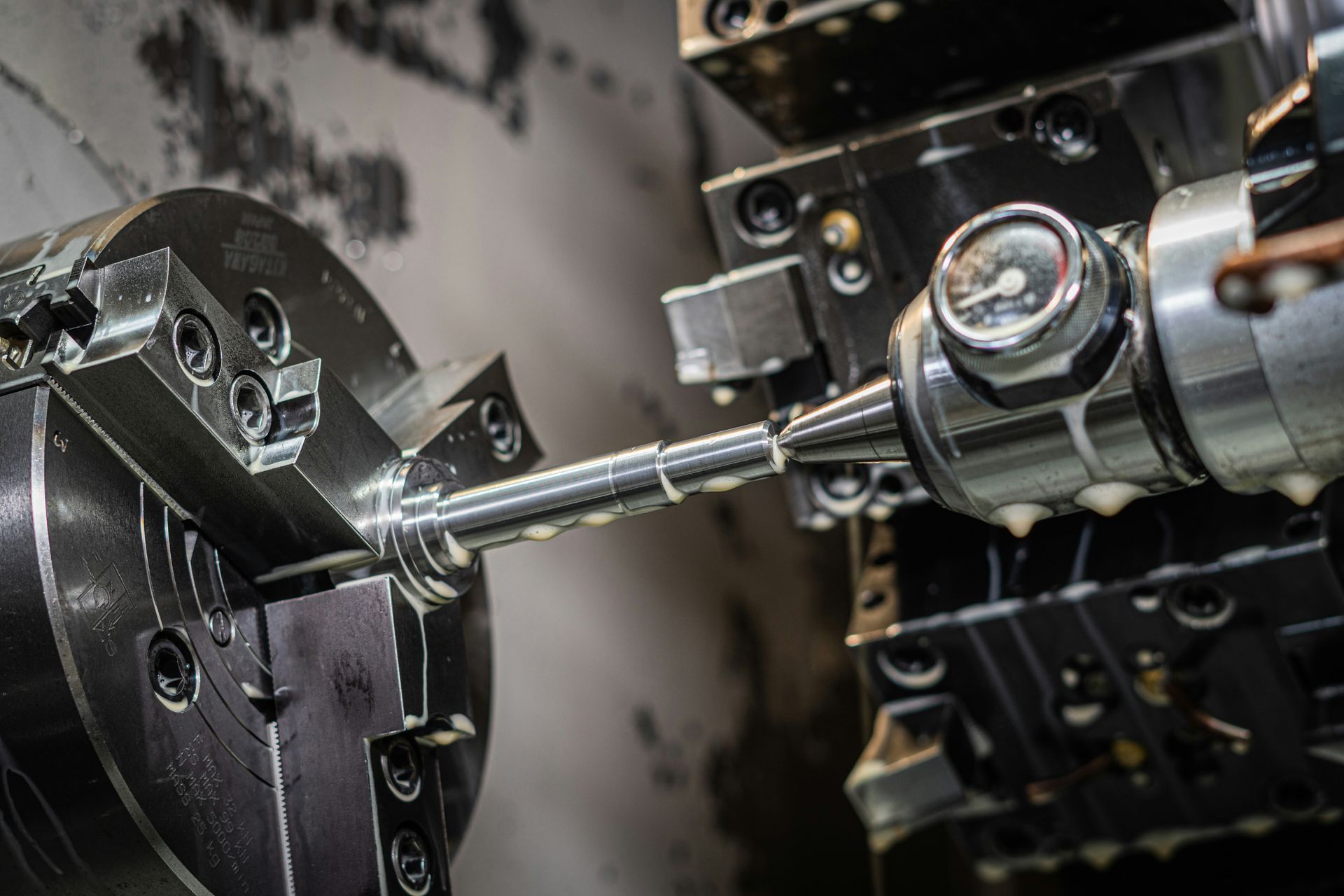
Spreadsheets built modern business. For decades they served as the unofficial operating system of job shops and custom manufacturers everywhere. They are flexible, familiar, and just comfortable enough to feel like a real solution. In the early days of a growing shop, they genuinely work. But as make-to-order complexity increases, as custom BOMs multiply, lead times tighten, and engineering revisions pile up, spreadsheets strain under the pressure. Every job is different, but spreadsheets want everything to be the same. In make-to-order environments, no two jobs are identical. Unique BOMs, custom routings, variable material costs, different setup requirements, customer-specific specs. Spreadsheets, though, thrive on repetition and standardized rows. So the more variation you introduce, the more tabs you create. The more exceptions you add, the more manual overrides appear. The more formulas you patch together, the more fragile the whole thing becomes. Eventually, the file turns into something only one person truly understands. That’s a liability, not a system. Capacity becomes a guessing game. In make-to-order shops, capacity isn’t theoretical. It’s constrained by reality. Machines go down. Operators vary in skill. Setup time fluctuates from job to job. Rush orders blow up carefully planned weeks. Spreadsheets struggle here because they’re built on static inputs. You can build a beautiful planning sheet with machine-hour allocations, but unless it dynamically adjusts for real-time job status, operator availability, overlapping resource conflicts, and maintenance downtime, you’re not really planning. You’re forecasting best-case scenarios. And that’s exactly how shops overpromise delivery dates and end up paying for it later in overtime and expediting costs. Engineering changes don’t cascade cleanly. Change is a constant in make-to-order manufacturing. A customer tweaks a dimension, a material substitution becomes necessary, or a tolerance tightens halfway through production. In an integrated system, that change automatically updates BOMs, routings, cost projections, and scheduling impact all at once. In a spreadsheet environment, it depends entirely on who remembers to update which tab. A routing might change without adjusting the labor estimate. A material substitution might never feed into the margin calculation. A lead-time adjustment might not reach the production schedule until it’s too late. These small disconnects multiply quickly, and because spreadsheets have no enforced relationships between data sets, the errors don’t announce themselves. Institutional knowledge becomes a single point of failure. Ask most growing job shops who owns the master spreadsheet and you’ll get a name. One estimator, planner, or operations manager who has become the living interpreter of years’ worth of embedded formulas, assumptions, and logic that nobody else fully understands. This works fine until it doesn’t. When that person goes on vacation, gets sick, or leaves, the shop loses operational clarity. In an environment already defined by complexity, having critical knowledge live inside one person’s mental model of a file is an inefficient bottleneck. Visibility stops at the file boundary. Spreadsheets are static snapshots. Make-to-order manufacturing is anything but. Without real-time feedback loops, shops find themselves unable to answer questions that should be simple: Are we actually on track this week? Which jobs are consuming more labor than quoted? Where is the bottleneck right now? Which customers consistently drive margin compression? When performance data doesn’t flow automatically from the floor back into quoting and planning, improvement stalls. You can’t refine what you can’t see. Here’s the thing about spreadsheet failure in manufacturing… it’s not dramatic. It’s gradual. First the files get slow, then fragile, then opaque. By the time leadership feels the real pain through late shipments, squeezed margins, and rising overtime, the architectural issues are widespread. Make-to-order manufacturing demands systems that understand relationships: how a routing affects capacity, how a BOM revision affects cost, how a delayed job cascades through the rest of the schedule. The question most shops ask is whether they can make the spreadsheets work. The better question is what it’s actually costing to keep them. The most resilient make-to-order manufacturers are building systems that preserve flexibility without sacrificing the visibility needed to actually run the business. Adaptability is the advantage.

In custom manufacturing , when systems break down, profit rarely disappears all at once. It leaks. Quietly, repeatedly, and often in ways that never show up clearly on any report. Walk into almost any fabrication shop and you’ll hear some version of the same story: the backlog is strong, revenue looks good, we’re staying busy. And yet the margin feels thinner than it should. For job shops running custom work, profitability doesn’t usually collapse because of one bad decision. It erodes through small, daily inefficiencies buried inside quoting, scheduling, engineering changes, and the gap between what was planned and what actually happened on the floor. Here’s where shops most commonly lose efficiency, and how to get it back. The quote that was almost right. For custom orders, every quote is a prediction, and predictions are dangerous when they’re disconnected from real shop-floor data. Outdated labor standards, underestimated setup time, material prices that changed since the template was built, and capacity assumptions based on average weeks instead of current reality. These errors are each small on their own, but a 4% underestimate on labor here, a missed secondary operation there, add up across hundreds of jobs. Small errors compound into real margin loss. The best-performing shops treat quoting as a living system fed by actual job performance data, not static spreadsheets that nobody updates. Capacity that looks available but isn’t. On paper, there’s open space on the schedule. In practice, that open week includes a machine down for maintenance, a senior operator on vacation, two complex jobs already competing for the same bottleneck, and a rush order someone verbally committed to last Thursday. Without finite capacity planning, shops routinely overcommit based on theoretical machine hours rather than real-world constraints. The fallout is predictable: overtime spikes, expedited shipping costs, re-sequencing chaos, and exhausted operators. Margin shrinks not because the shop is incapable, but because it’s planning in averages. Engineering changes that never get repriced. Designs evolve. A hole moves, a weld spec changes, or a tolerance tightens. Each adjustment has a cost. But many shops hesitate to reprice midstream, worried about damaging the customer relationship, and end up absorbing the extra labor and rework time instead. Do this enough times and it becomes a cultural norm: “we’ll just take care of it.” That’s margin erosion disguised as good service. High-performing job shops track engineering change impact in real time and make repricing decisions based on data rather than discomfort. Setup time hiding in plain sight. In low-volume, high-mix environments, setup time is often the silent killer. When shops don’t track setup separately from run time, assume it’ll all come out in the wash, and never refine their routings based on what actually happened, they end up underpricing complexity. In job shops producing one to fifty unit runs, setup can represent a disproportionate share of total labor. If it isn’t measured accurately, it can’t be priced accurately. The spreadsheet layer nobody talks about. Most shops run a hybrid environment where the ERP handles transactions and spreadsheets handle reality. Capacity lives in one file, quoting assumptions in another, and actual job performance in someone’s head. This creates invisible disconnects. Quotes not aligned with current routing, schedules that don’t reflect real constraints, and historical performance that never feeds forward into better decisions. Each disconnect feels manageable in isolation. Collectively, they create margin leakage that leadership can feel but can’t quite locate. What makes all of this so frustrating isn’t that shop owners don’t care. It’s that they can’t see clearly enough to act decisively. Without integrated visibility across quoting, routing, capacity, and quality, operators run on instinct. And instinct works remarkably well until scale and complexity outpace it. The shops that consistently outperform aren’t necessarily the biggest or the busiest. They operate with clarity and consistency. Fewer assumptions and more decisions based on reality. In a manufacturing landscape where lead times keep shrinking and customers expect speed and precision at the same time, margin won’t be protected by effort alone.

Every manufacturing leader has lived this moment: The schedule looks perfect. Orders are slotted. Commitments are made. And then reality shows up. A machine goes down. A key operator calls out. Setup times balloon. One late job cascades into five. Suddenly the plan (built meticulously inside your ERP) falls apart. Not because your team failed, but because the plan was never grounded in reality to begin with. The Hidden Lie Inside Most ERP Schedules

NetSuite’s Model Context Protocol (MCP) , built in partnership with Anthropic, helps users leverage AI to ask simple, natural-language questions and get back complex, structured analysis, all powered by live NetSuite data. This practical use of AI can be used to generate reports, create or update records, perform queries, analyze reports, automate workflows, or make predictions based on real-time data. Here's how you can get started and connect AI to NetSuite using MCP: 1. Login to NetSuite and navigate to Customization → SuiteCloud Development → SuiteApp Marketplace. 2. Search “MCP Tools” > Click on the icon and install the MCP Tools SuiteApp
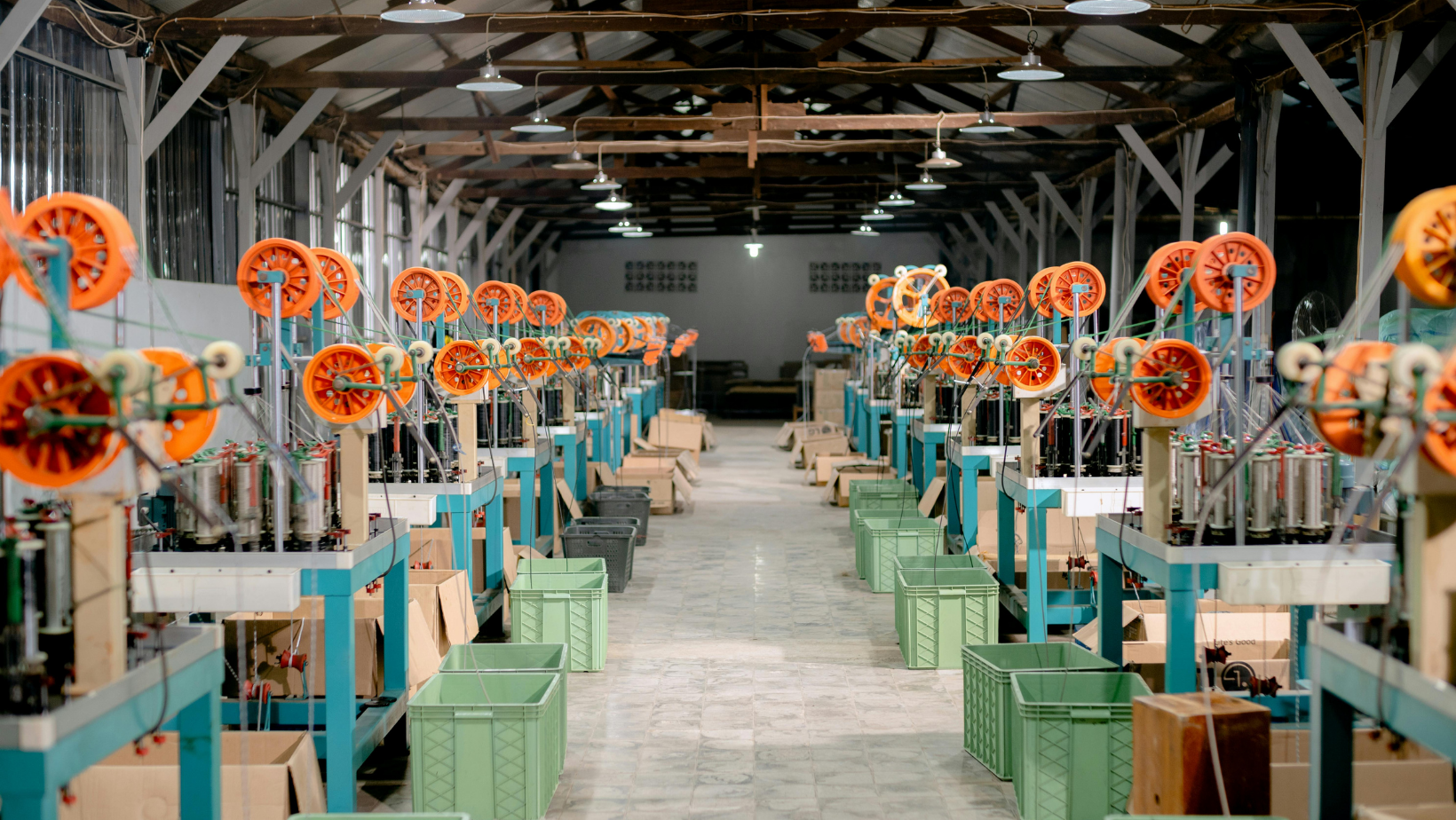
Job shop manufacturing is a production method where small batches of 1-100 units of customized or unique products are made to meet specific customer requirements. Unlike mass production, each order typically requires unique setups, specialized processes, and custom routing through the facility. In this comprehensive guide, you'll learn: The complete definition of job shop manufacturing How job shops differ from other manufacturing types Industries that rely on job shop methods Technology solutions that optimize job shop operations When to consider implementing specialized ERP systems What is Job Shop Manufacturing? (Definition) Job shop manufacturing is a production strategy focused on customization over volume . Instead of producing thousands of identical items, job shops create small quantities of unique products tailored to specific customer specifications. Key defining characteristics: Small batch sizes - Typically 1-100 units per order High product variety - Hundreds or thousands of different products Custom specifications - Each order has unique requirements Project-based workflow - Work orders last days to weeks Skilled labor - Requires specialized expertise and flexibility Job Shop is a powerful, fully integrated solution built for custom manufacturers, combining quoting, configuration, production, and fabrication workflows inside NetSuite. Learn more about SuiteDynamics' NetSuite Job Shop for Manufacturing.

Uncover the challenges of data quality affecting DIO accuracy, from ghost inventory to inconsistent formats. Find out how to tackle these issues effectively with a NetSuite ERP.

In the world of private equity, creating operational value has become increasingly critical as the market evolves. With exit timelines extending and competition for deals intensifying, PE firms are looking beyond financial engineering to drive returns. One emerging strategy that's gaining traction is the consolidation of NetSuite instances across portfolio companies. The Hidden Challenge of System Fragmentation As PE portfolios grow through acquisition, a common pattern emerges: multiple portfolio companies operating on separate NetSuite instances. While each system may work effectively in isolation, the fragmentation creates significant operational inefficiencies at the portfolio level: Redundant Licensing Costs: Each separate instance requires its own licensing structure , creating unnecessary expenses that directly impact EBITDA. Manual Consolidation Effort: Finance teams spend countless hours extracting, transforming, and manually consolidating data from disparate systems. Inconsistent Processes: Basic business functions are handled differently across portfolio companies, limiting standardization efforts. Limited Portfolio-Wide Visibility: Gaining insight across the entire portfolio requires extensive manual effort, delaying strategic decision-making. Integration Challenges: Onboarding new acquisitions becomes increasingly complex when each company maintains its own environment.

Explore Esusu's partnership with SuiteDynamics to enhance financial processes. Schedule a consultation to see how your business can thrive with NetSuite solutions.

Discover how to effectively set up and configure case statuses, rules, types, priorities, and more in NetSuite's case management system. Streamline your workflow and improve customer support with this comprehensive guide.

Backorders disrupt revenue and frustrate customers. Learn what "backordered" means, how backorders happen, their impact on businesses, and how NetSuite ERP can minimize the issues.
